
Unlocking the Power of Mindfulness and Meditation: A Journey to Inner Peace and Wellness
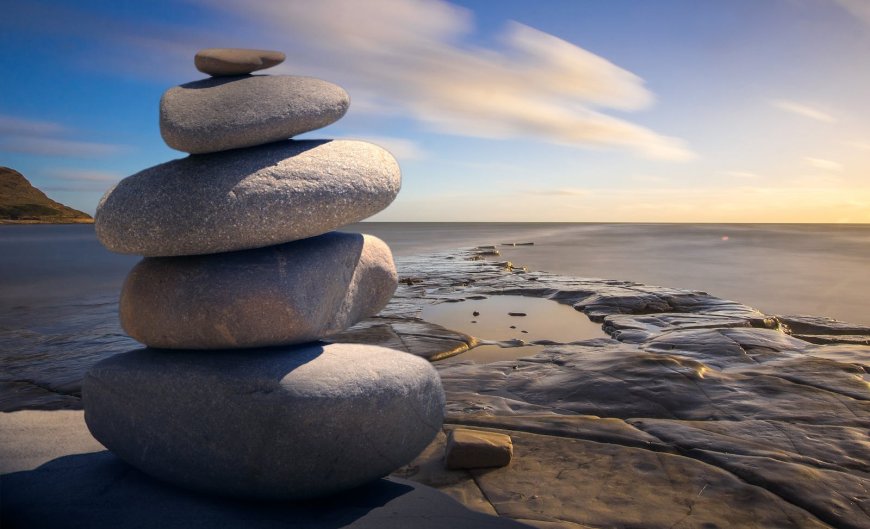
In a world that often moves at a breakneck pace, it's easy to feel overwhelmed, stressed, and disconnected from ourselves. However, the ancient practices of mindfulness and meditation offer a powerful antidote to the chaos of modern life. By cultivating a deeper awareness of the present moment and learning to navigate the ebbs and flows of our inner landscape, we can unlock a profound sense of inner peace, clarity, and well-being.
Understanding Mindfulness and Meditation
Mindfulness is the practice of being fully present and aware in the current moment, without judgment or attachment to the past or future. It involves intentionally directing our attention to the sensations, thoughts, and emotions that arise within us, and observing them with a curious and compassionate lens. Meditation, on the other hand, is a more formal practice that often involves the use of specific techniques, such as breath awareness, mantra repetition, or visualization, to quiet the mind and deepen our connection to the present moment.
While these practices may seem simple on the surface, they can have a profound impact on our lives, helping us to reduce stress, improve focus and concentration, enhance emotional regulation, and even foster greater empathy and compassion for ourselves and others.
The Benefits of Mindfulness and Meditation
The benefits of mindfulness and meditation are numerous and well-documented. From improved physical health to enhanced emotional well-being, these practices have the power to transform our lives in profound ways.
- Stress Reduction: Mindfulness and meditation have been shown to be highly effective in reducing stress and anxiety, helping us to better manage the demands of daily life.
- Improved Focus and Concentration: By training our minds to stay present and attentive, these practices can enhance our cognitive abilities, enabling us to be more productive and engaged in our work and personal pursuits.
- Enhanced Emotional Regulation: Mindfulness and meditation can help us to better understand and manage our emotions, allowing us to respond to challenging situations with greater clarity and composure.
- Increased Empathy and Compassion: These practices can cultivate a deeper sense of connection with ourselves and others, fostering more compassionate and empathetic relationships.
- Better Sleep: Mindfulness and meditation have been linked to improved sleep quality, helping us to feel more rested and rejuvenated.
- Physical Health Benefits: Studies have shown that mindfulness and meditation can have a positive impact on a range of physical health outcomes, from reduced inflammation to improved cardiovascular health.
Scientific Evidence Supporting Mindfulness and Meditation
The growing body of scientific research on mindfulness and meditation is truly remarkable. Numerous studies have demonstrated the profound impact these practices can have on our physical, mental, and emotional well-being.
For example, a study published in the Journal of the American Medical Association found that mindfulness-based interventions were effective in reducing symptoms of anxiety and depression, while another study published in the Journal of Neuroscience revealed that regular meditation practice can actually change the structure and function of the brain, leading to improved focus, emotional regulation, and overall well-being.
These findings, along with countless other studies, have helped to validate the transformative power of mindfulness and meditation, and have inspired a growing movement of individuals and organizations seeking to incorporate these practices into their daily lives and work.
How to Start a Mindfulness and Meditation Practice
Starting a mindfulness and meditation practice can be a deeply rewarding journey, but it can also feel a bit daunting at first. The good news is that there are many different techniques and approaches to choose from, and the most important thing is to find a practice that resonates with you and that you can commit to on a regular basis.
Here are some tips to help you get started:
- Start Small: Begin with just a few minutes of practice each day, and gradually increase the duration as you become more comfortable.
- Find a Comfortable Spot: Choose a quiet and comfortable space where you can sit or lie down and practice without distractions.
- Experiment with Different Techniques: Try out different mindfulness and meditation practices, such as breath awareness, body scans, or loving-kindness meditation, to see what works best for you.
- Be Patient and Persistent: Mindfulness and meditation are skills that take time and practice to develop. Stick with it, even when it feels challenging, and trust that the benefits will unfold over time.
- Seek Support: Consider joining a meditation group or working with a qualified teacher or coach to help guide you on your journey.
Tips for Incorporating Mindfulness and Meditation into Your Daily Life
Integrating mindfulness and meditation into your daily routine can be a powerful way to cultivate a greater sense of inner peace and well-being. Here are some tips to help you do just that:
- Set a Consistent Practice Time: Choose a specific time each day, such as first thing in the morning or during your lunch break, to devote to your mindfulness or meditation practice.
- Incorporate Mindfulness into Everyday Activities: You can practice mindfulness while engaged in mundane tasks, such as washing the dishes, taking a shower, or going for a walk.
- Use Mindfulness Reminders: Set reminders on your phone or place sticky notes in visible areas to prompt you to pause and check in with your present-moment awareness throughout the day.
- Take Mindfulness Breaks: Whenever you feel yourself becoming overwhelmed or stressed, take a few minutes to step away and practice some deep breathing or a simple mindfulness exercise.
- Engage in Mindful Movement: Incorporate mindful movement practices, such as yoga or tai chi, into your weekly routine to deepen your embodied awareness.
Different Types of Mindfulness and Meditation Techniques
There are many different types of mindfulness and meditation techniques, each with its own unique focus and approach. Here are just a few of the most popular:
- Breath Awareness Meditation: This involves focusing your attention on the sensations of your breath as it moves in and out of your body.
- Body Scan Meditation: This practice involves systematically directing your attention to different parts of your body, noticing any sensations or feelings that arise.
- Mantra Meditation: This involves the repetition of a word, phrase, or sound, which can help to quiet the mind and deepen your sense of inner calm.
- Loving-Kindness (Metta) Meditation: This practice involves cultivating feelings of compassion and kindness towards yourself and others.
- Visualization Meditation: This involves creating mental images or scenes that can help to reduce stress, enhance focus, or promote a sense of inner peace.
Experiment with different techniques to see what resonates most with you, and don't be afraid to try new approaches as your practice evolves.
Mindfulness and Meditation Apps and Resources
In today's digital age, there are countless apps and online resources available to support your mindfulness and meditation journey. Here are a few of the most popular and well-regarded options:
- Insight Timer: A free meditation app that offers a vast library of guided meditations, as well as tools for tracking your practice and connecting with a global community of meditators.
- Calm: A popular meditation app that offers a range of guided meditations, sleep stories, and other tools for reducing stress and improving overall well-being.
- Headspace: A widely-used meditation app that provides a structured, step-by-step approach to building a sustainable mindfulness practice.
- UCLA Mindful: A free app developed by the UCLA Mindful Awareness Research Center, offering a variety of guided meditations and mindfulness resources.
- Mindful.org: A comprehensive online resource for all things mindfulness, including articles, podcasts, and information on mindfulness-based programs and retreats.
Mindfulness and Meditation for Stress Relief
One of the primary benefits of mindfulness and meditation is their ability to help us manage stress and anxiety. By cultivating a greater awareness of our thoughts, feelings, and bodily sensations, we can learn to respond to stressful situations with more clarity and composure, rather than getting caught up in a cycle of worry and rumination.
When we practice mindfulness, we train our minds to stay present and focused on the here and now, rather than dwelling on the past or worrying about the future. This can help to reduce the physiological symptoms of stress, such as elevated heart rate and blood pressure, and promote a greater sense of inner calm and well-being.
Furthermore, regular meditation practice has been shown to increase the production of neurotransmitters like serotonin and dopamine, which can help to regulate our mood and improve our overall emotional resilience.
Mindfulness and Meditation for Improved Focus and Productivity
In today's fast-paced, technology-driven world, it can be challenging to maintain focus and stay on task. Mindfulness and meditation can be powerful tools for enhancing our cognitive abilities and improving our productivity.
By training our minds to stay present and attentive, we can learn to better filter out distractions and maintain a clear, focused state of mind. This can be particularly beneficial for tasks that require sustained attention, such as writing, research, or problem-solving.
Moreover, mindfulness and meditation can help to reduce the cognitive fatigue and mental clutter that can often hinder our ability to be productive. By taking regular breaks to practice these techniques, we can recharge our mental batteries and approach our work with renewed energy and clarity.
Mindfulness and Meditation for Better Sleep
In our increasingly fast-paced and overstimulated world, many of us struggle with poor sleep quality, which can have a significant impact on our overall health and well-being. Mindfulness and meditation, however, can be powerful tools for improving our sleep.
By practicing techniques like breath awareness, body scans, or progressive muscle relaxation, we can calm the mind and body, reducing the physiological symptoms of stress and anxiety that can interfere with our ability to fall and stay asleep. Additionally, regular meditation practice has been shown to increase the production of melatonin, the hormone that regulates our sleep-wake cycle.
Furthermore, the sense of inner calm and relaxation that mindfulness and meditation can cultivate can help us to better navigate the natural ebbs and flows of our sleep patterns, allowing us to feel more rested and rejuvenated upon waking.
Mindfulness and Meditation for Emotional Well-Being
Mindfulness and meditation can also be powerful tools for enhancing our emotional well-being. By cultivating a greater awareness of our thoughts, feelings, and bodily sensations, we can learn to navigate the ups and downs of our emotional landscape with more clarity and compassion.
Through practices like loving-kindness meditation or self-compassion exercises, we can develop a kinder, more accepting relationship with ourselves, which can help to alleviate feelings of shame, guilt, or self-criticism. Additionally, the increased emotional awareness and regulation that mindfulness and meditation can foster can help us to better manage our reactions to challenging situations, reducing the intensity and duration of negative emotional states.
Over time, these practices can also help to deepen our sense of connection with ourselves and others, promoting greater empathy, understanding, and emotional intimacy in our relationships.
Mindfulness and Meditation for Physical Health
Mindfulness and meditation can also have a profound impact on our physical health and well-being. By reducing stress and promoting a greater sense of inner calm, these practices can have a positive effect on a range of physiological processes, from immune function to cardiovascular health.
For example, studies have shown that regular meditation practice can help to lower blood pressure, reduce inflammation, and even improve the body's response to certain types of chronic pain. Additionally, mindfulness-based interventions have been found to be effective in managing a variety of health conditions, from diabetes to cancer.
Furthermore, the increased body awareness that mindfulness and meditation can cultivate can help us to better tune into the subtle signals and needs of our physical form, enabling us to make more informed and compassionate choices about our health and self-care.
Mindfulness and Meditation for Spiritual Growth
While mindfulness and meditation can certainly be beneficial on a practical, day-to-day level, they can also be powerful tools for spiritual growth and self-discovery. By cultivating a deeper awareness of our inner landscape and our connection to the present moment, these practices can help us to transcend the limitations of our ego-driven minds and tap into a greater sense of purpose, meaning, and interconnectedness.
Through practices like contemplative prayer, mantra recitation, or transcendental meditation, we can deepen our sense of connection with the divine, the universe, or the fundamental nature of reality. This can foster a greater sense of awe, wonder, and reverence for the mystery and beauty of existence, and can inspire us to live with more intention, compassion, and service.
Ultimately, the spiritual dimension of mindfulness and meditation is deeply personal and subjective, and each individual's journey will be unique. But for many, these practices can be a powerful gateway to a deeper, more fulfilling and meaningful life.
Mindfulness and Meditation Retreats and Workshops
For those looking to deepen their mindfulness and meditation practice, attending a retreat or workshop can be a transformative experience. These immersive, guided programs offer the opportunity to step away from the distractions and demands of daily life, and to fully immerse oneself in the practice of present-moment awareness.
Retreats and workshops can vary in length, from a single day to several weeks, and can be led by experienced teachers and practitioners from a variety of traditions and lineages. During these programs, participants may engage in silent meditation, guided instruction, group discussions, and other contemplative practices, all with the aim of cultivating a deeper sense of inner peace, clarity, and well-being.
Whether you're a seasoned practitioner or a complete beginner, a mindfulness or meditation retreat can be a powerful way to reignite your practice, deepen your understanding, and connect with a supportive community of like-minded individuals. By taking the time to step away and immerse yourself in these transformative practices, you can return to your daily life with a renewed sense of purpose, focus, and inner resilience.
Conclusion: Embracing Mindfulness and Meditation for a Balanced and Fulfilling Life
In a world that often feels chaotic, overwhelming, and disconnected, the practices of mindfulness and meditation offer a powerful antidote. By cultivating a deeper awareness of the present moment and learning to navigate the ebbs and flows of our inner landscape, we can unlock a profound sense of inner peace, clarity, and well-being.
Whether you're seeking to reduce stress, improve focus and productivity, enhance your emotional well-being, or deepen your spiritual growth, mindfulness and meditation can be transformative tools for living a more balanced and fulfilling life. And with the wealth of resources and support available, there has never been a better time to embark on this journey of self-discovery and growth.
If you're ready to unlock the power of mindfulness and meditation and start your journey towards a more balanced and fulfilling life, I encourage you to explore the resources and techniques outlined in this article. Remember, the most important thing is to find a practice that resonates with you and to commit to it with patience and persistence. Take the first step today, and see how these transformative practices can enrich your life in profound and meaningful ways.
What's Your Reaction?
 Like
0
Like
0
 Dislike
0
Dislike
0
 Love
0
Love
0
 Funny
0
Funny
0
 Wow
0
Wow
0
 Sad
0
Sad
0
 Angry
0
Angry
0

Linnaingoo မှ ကြိုဆိုပါတယ်။ ဖတ်ရှုသူများအတွက် အသုံးဝင်ပြီး ယုံကြည်ရသော အကြောင်းအရာများကို မျှဝေပေးရန် ရည်ရွယ်ထားသော ဝက်ဆိုက်တစ်ခု ဖြစ်ပါတယ်။ စာပေ၊ ရင်ဖွင့်စာများ၊ လူမှုရေးနှင့် အလှူအတန်းဆိုင်ရာ အကြောင်းအရာများကို အချိန်နဲ့တပြေးညီ တင်ဆက်ပေးသွားပါမယ်။










![Travel and Tourism [Travel and Tourism]](https://kkm-language-bucket.s3.ap-southeast-1.amazonaws.com/uploads/images/202305/image_140x98_6467cff469bd9.jpg)


Comments (0)